


Last Updated: November 1, 2026
Quick Summary
An 80/20 cotton blend gives you the softness and breathability of cotton with the durability and wrinkle resistance of polyester. It resists shrinking and sagging better than pure cotton, dries faster, and holds its shape through repeated washing, making it a practical choice for everyday wear.
- The 80/20 ratio keeps cotton character in front, so the fabric still reads and breathes like cotton.
- Fiber length, yarn thickness, and knit or weave decide whether an 80/20 piece feels premium or papery.
- Once polyester passes roughly 50%, heat and odor retention become real considerations for all-day wear.
- Wash in cold water and tumble dry low or hang dry to keep shrinkage to a minimum.
- Turn garments inside out before washing to reduce surface friction, the main cause of pilling.
Table of Contents
- What an 80/20 Cotton Blend Actually Is
- The 80 Cotton 20 Polyester Feel: Soft, Smooth, and Substantial
- Breathability, Moisture, and Heat Retention in an 80/20 Blend
- Durability, Wrinkle Resistance, and Shape Retention
- Cotton Polyester Blend vs 100% Cotton: Which Wins?
- 80/20 Cotton Blend Shrinkage: What to Expect
- How to Wash a Cotton Polyester Blend
- Choosing 80/20 Pieces for Travel, Lounge, and Everyday Wear
- Frequently Asked Questions
What an 80/20 Cotton Blend Actually Is
An 80/20 cotton blend is a fabric made from 80% cotton and 20% polyester, combining the softness and breathability of a natural fiber with the durability and wrinkle resistance of a synthetic one.
The benefits of 80 20 cotton blend start with balance. Pure cotton feels wonderful but creases and stretches out. Pure polyester resists wrinkles but traps heat and feels slick against skin. The 80/20 ratio keeps the cotton character in front: the fabric still reads as cotton to the touch, still breathes like cotton, and still softens with every wash.
Here is the part most guides skip. The ratio is only half the story. Fiber length, yarn thickness, and how the fabric is knit or woven decide whether an 80/20 piece feels premium or papery. A cheap 80/20 tee and a heavyweight 80/20 fleece share a label but nothing else.
Below, we break down how the blend feels, breathes, wears, and washes, so you can judge a garment by more than its tag.
The 80 Cotton 20 Polyester Feel: Soft, Smooth, and Substantial
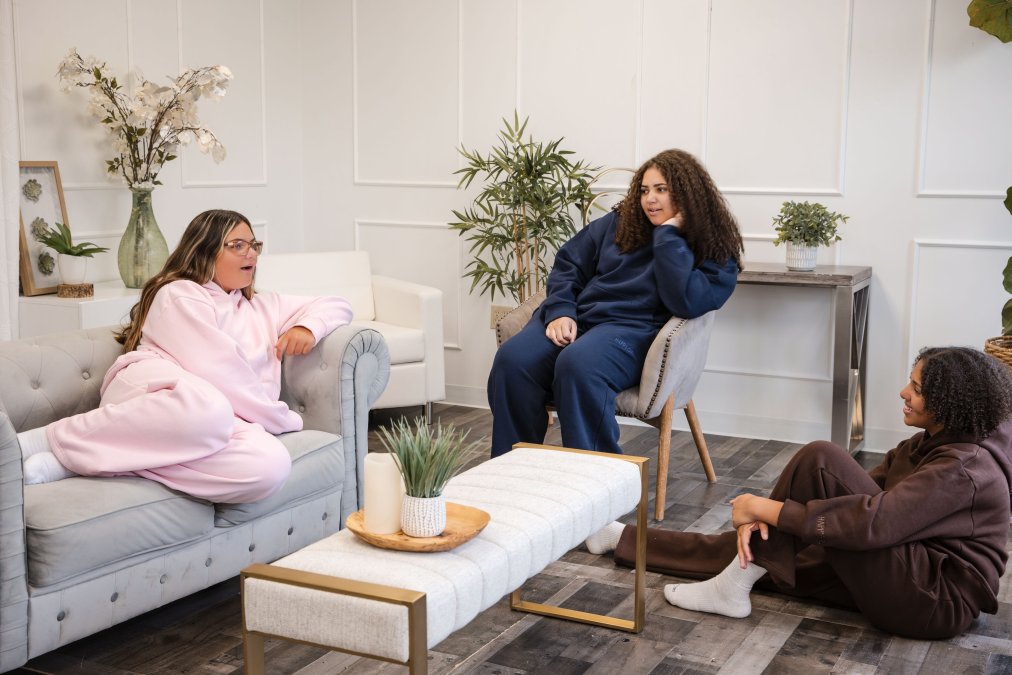
The 80 cotton 20 polyester feel lands somewhere between a broken-in cotton tee and a brushed fleece: soft against the skin, smooth to the hand, with enough weight to drape instead of cling.
How Fabric Construction Changes the Hand Feel
Two garments can carry identical fiber content and feel completely different. Construction is the variable nobody reads on the label.
- Fleece vs. jersey: Brushed-back fleece in an 80/20 blend feels plush and warm; a lightweight jersey knit in the same ratio feels cool and smooth.
- Fabric weight: Heavier knits, often measured in ounces per square yard, drape with more structure and hide lumps and lines better than thin ones.
- Yarn and loop density: Tighter, denser loops create a smoother surface that resists pilling better than loose, lofty knits.
Breathability, Moisture, and Heat Retention in an 80/20 Blend
An 80/20 blend breathes well because cotton dominates the fiber content, but it manages moisture differently than pure cotton. Cotton absorbs sweat readily; polyester moves moisture along and dries faster.
That combination matters in real life. On a long flight or a warm commute, pure cotton can feel damp and heavy once you sweat. A high-polyester knit can feel clammy in a different way, trapping warmth with nowhere for moisture to go. The 80/20 mix sits in the middle: comfortable in mild heat, warm enough for cool rooms, and quick to dry after a wash.
Heat retention is where construction again decides the outcome. A heavyweight 80/20 fleece holds warmth like a light jacket. A thin 80/20 jersey stays cool. If you run hot, look for lighter weights; if you are always cold, the brushed fleece versions earn their place.
Durability, Wrinkle Resistance, and Shape Retention
If pilling is your specific worry, our guide to why premium 80 20 fabric resists pilling explains the fiber and construction factors behind it.
Cotton Polyester Blend vs 100% Cotton: Which Wins?
The cotton polyester blend vs 100% cotton question has a clear answer depending on use.
| Factor | 80/20 Cotton Blend | 100% Cotton |
|---|---|---|
| Softness | Soft, smooth, softens with washing | Very soft, especially after breaking in |
| Wrinkling | Resists wrinkles | Creases easily |
| Shrinkage | Minimal with proper care | Can shrink noticeably |
| Shape retention | Holds shape well | Tends to stretch and sag |
| Drying time | Faster | Slower |
| Breathability | Good | Excellent |
| Durability | Resists wear and tear | Wears faster at stress points |
How Other Blend Ratios Compare
Ratios shift the trade-offs in predictable ways. A 65/35 blend leans further toward polyester: more wrinkle resistance and durability, less breathability and softness. A 50/50 blend splits the difference and often feels noticeably more synthetic. Once polyester passes roughly 50%, heat and odor retention become real considerations for all-day wear.
The 80/20 ratio is the sweet spot for garments you wear against your skin for hours: it keeps the cotton feel while borrowing just enough polyester to solve cotton's practical weaknesses.
80/20 Cotton Blend Shrinkage: What to Expect
Three habits keep shrinkage to a minimum:
- Wash in cold water, which relaxes fibers less than hot water
- Tumble dry on low or hang dry, since high heat drives most shrinkage
- Skip long, hot dryer cycles, which stress the polyester and cotton fibers differently
Unprepared cotton can shrink in the first wash; the blend tempers that tendency but does not eliminate it. If a piece fits perfectly on day one, treat the care label as instructions rather than suggestions.
How to Wash a Cotton Polyester Blend
Care guidance for a cotton-polyester blend is below.
A more complete routine:
- Turn garments inside out to reduce surface friction, the main cause of pilling.
- Wash with like colors in cold water on a normal cycle.
- Use a gentle detergent and skip fabric softener, which coats fibers and reduces breathability.
- Tumble dry low or hang dry; remove promptly to avoid set-in wrinkles.
- Store folded rather than on hangers for knits, so shoulders do not stretch.
For a deeper look at keeping the blend smooth wash after wash, see our guide on how to stop loungewear pilling. If your pieces are cut oversized, our tips on how to wash oversized clothes cover the fit-specific details that keep relaxed silhouettes from losing their shape.
Choosing 80/20 Pieces for Travel, Lounge, and Everyday Wear
The same 80/20 ratio behaves differently depending on what the garment is built to do. Match the fabric weight and construction to the job, and the blend's strengths line up with how you actually wear the piece.
How the Blend Performs by Garment Type
- Hoodies and fleece: Brushed-back 80/20 fleece is where the ratio shines. The polyester adds body so the fleece keeps its loft and shape through repeated washing, while the cotton keeps it soft against the neck and cuffs. Heavier weights hold warmth like a light jacket; lighter weights work as a cool-weather layer.
- T-shirts and jersey knits: A lightweight 80/20 jersey feels cool and smooth and resists the stretching and sagging that pure cotton tees develop at the collar and hem.
- Workwear and hard-wearing basics: For jobs that involve heat or heavy sweat, weigh the durability gain against the breathability cost.
- Bedding: An 80/20 sheet set wrinkles less and dries faster than all-cotton, which matters for high-turnover laundry. Sleepers who run hot may still prefer all-cotton for maximum breathability.
- Activewear: For low-intensity movement, walking, and everyday errands, 80/20 is comfortable and low-maintenance.
Matching the Piece to the Job
For travel, prioritize mid-weight 80/20 knits that fold without creasing, matching sets in one color that pack as multiple outfits, and darker or heathered tones that hide travel-day wear.
For lounge and everyday wear, prioritize softness and shape retention. An oversized 80/20 set in a timeless silhouette reads as intentional rather than sloppy, which is exactly the balance we design for at Happy Girl Edit & Co. Our premium cotton blend sweats and sets are built from this fabric with oversized fits meant to be worn on repeat.
Travelers who want packing-friendly options can browse our picks for the best matching sets for travel.
Frequently Asked Questions
Is an 80/20 cotton blend stretchy and breathable enough for all-day wear?
An 80/20 cotton blend is made from 80% cotton and 20% polyester, and the fabric's stretch and breathability depend on the specific knit and cut of each piece.
Does an 80/20 cotton blend shrink in the wash?
Check the care label on each piece for washing and drying instructions.
How should I wash a cotton polyester blend to prevent pilling?
Follow the care label on your garment for washing and drying instructions.
Is an 80/20 cotton blend better than 100% cotton for sweatshirts and loungewear?
Choosing between an 80/20 blend and 100% cotton depends on your priorities, such as fiber preference, feel, and care routine.
The real test of any fabric is how it looks and feels after a year of wear, not on the rack. We built Happy Girl Edit & Co. around premium 80/20 fabric, oversized fits, and timeless silhouettes precisely because those pieces earn their place in a travel bag, a lounge rotation, and an everyday wardrobe. Browse our matching sweat sets and elevated essentials to find the pieces you will reach for again and again.


