


Table of Contents
- What Causes Fabric Pilling on Loungewear
- How to Wash Matching Sweat Sets to Prevent Pilling
- Drying Techniques That Protect Fiber Integrity
- Best Fabric Shaver for Clothes: Removing Existing Pilling
- Fabric Types Most Prone to Pilling
- Storage Solutions to Stop Loungewear Pilling
- How to Stop Loungewear Pilling Before It Starts
- Frequently Asked Questions
Last Updated: September 28, 2026
What Causes Fabric Pilling on Loungewear
Pilling occurs when fibers break and bunch together on fabric surfaces. Two main culprits cause it: friction during wear and fiber damage during washing. Both are preventable with the right approach.
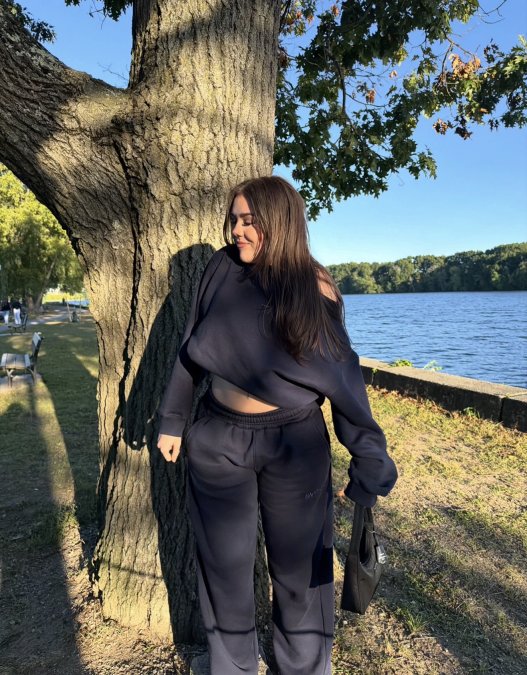
Friction and Surface Abrasion
Friction is the leading cause of pilling on loungewear. When fabric rubs against itself, other garments, or rough surfaces, loose fibers tangle and knot together. Areas that see the most movement, underarms, inner thighs, and seams, pill first.
Synthetic blends and knitted fabrics are especially prone to this type of damage. The fibers in these materials are shorter and weaker than natural fibers, making them more likely to break under friction.
Fiber Breakage From Washing
Aggressive agitation, hot water, and harsh detergents break down fiber integrity. When fibers break during the wash cycle, loose ends float to the surface and tangle together, creating visible pilling. Gentler washing creates stronger fibers that resist pilling.
How to Wash Matching Sweat Sets to Prevent Pilling
The right washing technique can cut pilling in half or better.
Sort Laundry to Reduce Friction
Wash your loungewear separately from rougher fabrics like jeans, towels, and textured knits. Keep matching sweat sets with similar-weight items.
Turn garments inside out before washing. This simple step protects the outer surface where pilling is visible. The inner side can handle more friction without showing damage.
Use a mesh laundry bag for extra protection.
Use a Gentle Cycle and Cold Water
Run the delicate or gentle cycle with cold water. Cold water is gentler than warm or hot water and prevents shrinking and color fading. Use a delicate spin option if available; slower spins reduce stress on wet fibers.
Choose Mild Detergent and Skip Fabric Softeners
Use a mild, fragrance-free detergent designed for delicates. Skip fabric softeners entirely, they coat fibers and weaken them. Use less detergent than recommended; excess leaves residue that weakens fibers.
Drying Techniques That Protect Fiber Integrity
How you dry your loungewear matters as much as how you wash it. The wrong drying method can undo all your careful washing work.
Air Dry vs. Tumble Dry Settings
Air dry by hanging or laying flat, the gentlest option. If using a dryer, choose the lowest heat setting and remove pieces while still slightly damp. High heat damages synthetic fibers and weakens blends.
Best Fabric Shaver for Clothes: Removing Existing Pilling
Even with perfect care, some pilling happens. Removing it properly prevents further damage to your loungewear.
Fabric Shavers vs. Pumice Stones and Wool Combs
A fabric shaver is the best choice for premium loungewear. These electric devices cut away surface fuzz without damaging underlying fabric. Pumice stones and wool combs work but require more care and are better suited to sturdy fabrics.
Step-by-Step Removal Process
Lay your loungewear flat, turn the shaver on, and move it slowly across pilled areas with light pressure. Stop when the surface feels smooth. Don't overdo it, excessive shaving can thin fabric and create holes. Empty the collection tray regularly.
Fabric Types Most Prone to Pilling
Not all loungewear fabrics pill equally, and not all require the same prevention strategy. Understanding your fabric's fiber composition and construction method helps you choose the right care approach and set realistic expectations for longevity.
Modal and Semi-Synthetic Fibers
Modal is a semi-synthetic fiber made from wood pulp. It's soft but prone to pilling because fibers are short and weak. Use the gentlest cycle with cold water exclusively, air dry whenever possible, and use a mesh laundry bag. Modal absorbs moisture readily, so rinse thoroughly to prevent detergent buildup.
Synthetic Blends: Polyester-Cotton Mixes
Synthetic blends like polyester-cotton mixes pill more easily than pure cotton because polyester fibers are shorter (0.5-1.5 inches) and break more readily under friction. These blends are common in affordable loungewear because they're inexpensive to produce and add stretch.
Fabric-specific care for synthetic blends:
- Wash separately from natural fibers; the different fiber types create friction that damages both
- Use a shorter wash cycle (30-40 minutes rather than the standard 45-60 minutes); longer agitation breaks synthetic fibers faster
- Skip fabric softener entirely; it coats synthetic fibers and prevents them from bonding, accelerating pilling
- Dry on the lowest heat setting or air dry; synthetic fibers melt and weaken above 130°F
Knitted Fabrics and Construction Method
Knitted fabrics, the construction method used for most sweatshirts and sweatpants, create more surface area for pilling than woven fabrics. The loops in knit fabric catch and tangle more easily. This is why your favorite sweatshirt pills while your cotton sheets (woven) don't.
Fabric-specific care for knitted loungewear:
- Turn inside out before washing to protect the outer surface where pilling is visible
- Use a mesh bag for lightweight knits; heavyweight knits are more forgiving
- Avoid pilling-prone pairings: don't wash knit loungewear with towels, denim, or other textured knits
- For brushed knits, expect some surface fuzz in the first 3-5 wears; this is normal and not the same as pilling
Why Premium 80/20 Cotton Blends Resist Pilling
An 80/20 cotton blend contains 80% cotton and 20% polyester. This ratio creates fabric that resists pilling better than other blends because the high cotton content means longer, stronger fibers (cotton fibers are typically 0.75-1.25 inches). The small amount of polyester adds durability and stretch without compromising fiber strength.
Care for 80/20 blends is more forgiving:
- Gentle cycle is sufficient; the cotton content means fibers are stronger
- Cold water is still recommended, but warm water (below 85°F) is acceptable
- Air drying is ideal, but low-heat dryer cycles cause minimal damage
- These blends tolerate mesh bags but don't strictly require them
Storage Solutions to Stop Loungewear Pilling
How you store your loungewear between wears affects how long it lasts. Proper storage prevents unnecessary friction and damage.
How to Stop Loungewear Pilling Before It Starts
Prevention starts before you bring loungewear home. A simple pre-purchase test predicts pilling risk and saves you from buying pieces that will deteriorate after a few wears.
The Pilling Test for New Purchases
Before you buy loungewear, test it for pilling resistance. This simple test mimics the friction that happens during normal wear and reveals how well the fabric will hold up over time.
How to perform the test:
-
Find a discreet area. Test on an inside seam, hem, or back panel where a small test mark won't be visible or affect the garment's appearance.
-
Rub firmly for 10-15 seconds. Use the back of your hand or a soft brush. Apply moderate pressure, similar to how fabric rubs against itself during wear or against furniture. Don't use excessive force; you're simulating normal use, not stress-testing.
-
Inspect immediately. Look closely at the rubbed area. High-quality loungewear shows minimal fuzz or loose fibers.
-
Feel the texture. Run your hand across the tested area. Premium fabrics maintain their softness and smooth texture. Lower-quality options feel noticeably rougher as fibers break and separate.
-
Check for fiber shedding. Look at your hand or the brush. If loose fibers come away easily, the fabric is shedding excessively and will pill quickly during normal wear.
What the results tell you:
- Minimal fuzz, soft texture: The fabric has strong fibers and good construction. This piece will resist pilling with proper care.
- Visible pilling or fuzzing: The fabric is low-quality or uses short, weak fibers. Even with perfect care, this piece will pill noticeably within 5-10 wears.
- Rough texture after rubbing: Fibers are breaking under light friction. This indicates poor fiber strength or low-quality yarn. Avoid this piece.
- Excessive fiber shedding: The fabric sheds loose fibers readily. This will worsen with washing and create visible pilling quickly.
Why This Test Works
Fabric pilling is caused by fiber breakage and friction. The pilling test applies friction to the fabric surface in a controlled way, revealing how easily fibers break. Fabrics made with short, weak fibers or poor construction show damage immediately. Fabrics made with long, strong fibers and tight construction show minimal change.
Testing Different Loungewear Types
Different garment types require slightly different testing approaches:
Sweatshirts and hoodies: Test the outer surface and the brushed interior separately. The interior is softer and may show more fuzz, which is normal. The exterior should show minimal change.
Combining the Test With Other Quality Indicators
The pilling test is one tool among several. Use it alongside these other checks:
- Seam quality: Examine seams closely. Tight, even stitching indicates quality construction. Loose or uneven stitches suggest the fabric will deteriorate quickly.
- Weight and density: Heavier, denser fabrics may pill less than lightweight fabrics. Feel the weight in your hand.
- Fiber content label: Check the label. 80/20 cotton blends and high-cotton-content fabrics resist pilling better than synthetic-heavy blends or modal.
- Price point:
Frequently Asked Questions
What causes fabric pilling on loungewear?
Pilling occurs when loose fibers break during washing, drying, or normal wear and ball up on the fabric surface. Friction from the washing machine, tumble drying, and contact with abrasive surfaces all contribute to fiber breakage. Synthetic blends and modal fabrics are more prone to pilling than premium cotton blends like the 80/20 fabric used in quality loungewear sets.
How do I wash matching sweat sets to prevent pilling?
Wash your sweat sets separately using a gentle cycle with cold water and mild detergent. Place them in a laundry mesh bag to reduce friction against other garments. Avoid fabric softeners, which weaken fibers and increase pilling. Wash inside-out to minimize surface abrasion. These steps protect fiber integrity and significantly extend the life of your loungewear.
Can I use a fabric shaver to remove existing pilling?
Yes. A fabric shaver is the most effective tool for removing pilling from loungewear. Use gentle, circular motions on affected areas, avoid pressing hard, which can damage the underlying fabric. Pumice stones and wool combs work for lighter pilling but are less precise. Always test on a hidden seam first to ensure the tool won't damage your specific fabric type.
Does pilling mean my loungewear is poor quality?
Not necessarily. Even premium fabrics can pill, especially synthetic blends and modal. However, pieces made from 80/20 cotton blends are crafted with strong, resistant fibers. Proper washing, drying, and storage techniques significantly reduce pilling regardless of fabric type.


