


Last Updated: November 17, 2026
Quick Summary
The 5-4-3-2-1 travel wardrobe is a packing formula built on fixed counts: five tops, four bottoms, three dresses or layers, two pairs of shoes, and one accessory or bag. The counts create roughly twenty outfit combinations for a week-long trip while keeping your luggage small.
- Five tops times four bottoms gives twenty outfit combinations before dresses or layers are added.
- Choose five tops that each work with at least three of your four bottoms.
- Wear the bulkiest pair of shoes on the plane to save luggage space.
- Build around a two- or three-color palette so every top works with every bottom.
- Plan tops for one or two wears and bottoms for two or three, then do a mid-trip wash.
Table of Contents
- What the 5-4-3-2-1 Travel Wardrobe Actually Is
- Your 5-4-3-2-1 Packing List, Item by Item
- Competing 5-4-3-2-1 Formulas and Which to Follow
- How to Build a Travel Capsule Wardrobe That Mixes and Matches
- How to Pack Light for a Week Without Repeat Outfit Fatigue
- Travel Wardrobe Outfit Combinations You Can Actually Wear
- Adapting the Formula to Climate, Itinerary, and Trip Length
- When the 5-4-3-2-1 Method Falls Short
- Frequently Asked Questions
What the 5-4-3-2-1 Travel Wardrobe Actually Is
The 5-4-3-2-1 travel wardrobe is a packing formula that builds a small, flexible set of clothes around fixed counts: five tops, four bottoms, three dresses or layers, two pairs of shoes, and one accessory or bag. The goal is simple. You pack less, mix more, and stop staring into an open suitcase at 6 a.m.
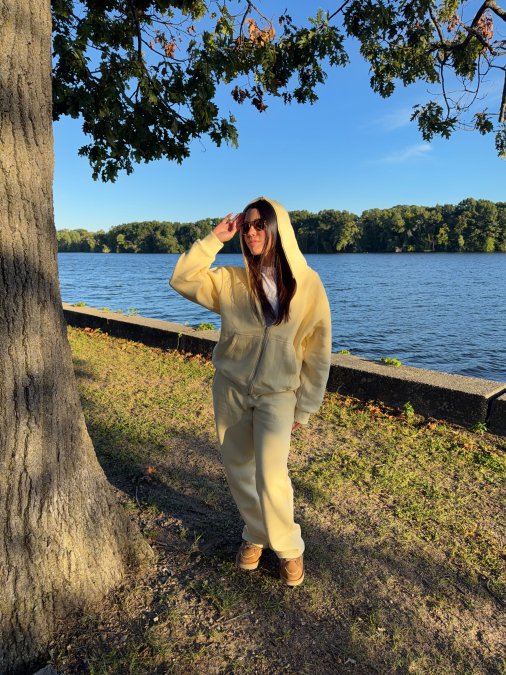
Travelers who want to look put together without hauling half a closet will find the 5-4-3-2-1 method a practical fit for that kind of trip.
The numbers are a starting point, not a law. Travelers and stylists have adapted the formula over the years, so variations exist. What matters is the logic behind the counts.
Why the Numbers Work
- Five tops give you enough variety for a week of outfits without doubling up on laundry.
- Four bottoms let you pair each top with at least two options.
- Three dresses or layers cover dressier moments, cool evenings, and travel days.
The math is the point. Five tops times four bottoms gives twenty outfit combinations before dresses or layers enter the picture, more than enough for a week.
Your 5-4-3-2-1 Packing List, Item by Item
Here is the standard 5-4-3-2-1 packing list, broken down so you can shop your own closet before you buy anything new.
The Standard Clothing Count Breakdown
| Category | Count | What to Choose |
|---|---|---|
| Tops | 5 | Tees, blouses, tanks, one light sweater |
| Bottoms | 4 | Jeans, trousers, shorts, a skirt |
| Dresses or layers | 3 | One dress, one cardigan, one jacket |
| Shoes | 2 | Walking shoes plus one nicer pair |
| Accessories or bag | 1 | Scarf, hat, or a day bag |
Count
Tops. Pick five you can wear with at least three bottoms each. Neutral colors do the heavy lifting here.
Dresses or layers. Three pieces that dress up or warm up your outfits. A dress can stand alone or layer under a jacket.
Shoes. Two pairs, maximum. Wear the bulkiest pair on the plane.
Accessories. One item that changes the feel of an outfit. A scarf or hat does more than you think.
If your bottoms lean casual, browse shorts that fit the same neutral palette as your tops.
Competing 5-4-3-2-1 Formulas and Which to Follow
Not every version of the 5-4-3-2-1 method counts the same items, which confuses a lot of travelers.
Some versions count five tops, four bottoms, three dresses, two shoes, and one bag. Others swap dresses for layers or count accessories instead of bags. A few treat the numbers as days rather than items.
Which should you follow? For a leaner alternative, our guide on how to use the 3-3-3 rule to build a nine-piece wardrobe walks through another formula step by step.
The honest answer: pick one formula and stick with it for a trip or two. Switching systems mid-pack is how overpacking starts.
How to Build a Travel Capsule Wardrobe That Mixes and Matches
A travel capsule wardrobe only works if the pieces talk to each other: shared colors, shared formality, and fabrics that survive a suitcase.
Start with a two- or three-color palette. Navy, white, and tan. Black, gray, and cream. Every top should work with every bottom. If a piece only matches one other item, leave it home.
Fabric, Fit, and Color Criteria
- Fabric: Choose knits and blends that resist wrinkles and dry fast. Heavy cotton and stiff linen crease in a carry-on.
- Fit: Looser cuts layer better and feel better on long travel days. Oversized silhouettes are your friend here.
- Color: Two neutrals plus one accent is the easiest formula to repeat.
Matching sets are a shortcut. A coordinated set counts as two pieces but reads as one outfit, which stretches your combinations further. If you are building around sets, our matching sets styling guide shows how to coordinate them with the rest of your capsule.
How to Pack Light for a Week Without Repeat Outfit Fatigue
Packing light for a week comes down to planning outfits before you pack, not after you arrive.
Here is a routine that works well:
- Lay out all five tops and four bottoms on the bed.
- Build five full outfits from those pieces.
- Add the three dresses or layers to stretch each outfit.
- Assign one outfit per day, plus one backup.
- Pack only what made the cut.
The backup outfit matters. Flights get delayed, dinners get added, and weather shifts. One extra combination saves you from improvising.
Rewear planning is the other half. Plan tops for one or two wears and bottoms for two or three, then do a quick sink wash mid-trip.
Travel Wardrobe Outfit Combinations You Can Actually Wear
The real test of a travel wardrobe is whether the outfit combinations work in real life. Here is a complete worked example: a sample packing list and a day-by-day outfit matrix showing how the same pieces repeat across a week.
The Sample Packing List
- Tops (5): white tee, black tee, striped long-sleeve, chambray button-down, light merino sweater.
- Bottoms (4): dark jeans, navy trousers, casual shorts, black midi skirt.
- Dresses or layers (3): knit dress, cardigan, packable rain shell.
Every top works with at least three bottoms, and the cardigan and rain shell layer over everything.
Day-by-Day Outfit Matrix
| Day | Outfit | Shoes | Weather Backup |
|---|---|---|---|
| 1 (travel) | Striped long-sleeve, dark jeans, cardigan | Sneakers | Rain shell in bag |
| 2 (city walking) | White tee, navy trousers, crossbody bag | Sneakers | Cardigan for cool evenings |
| 3 (casual dinner) | Chambray button-down, black midi skirt | Loafers | Rain shell if showers |
| 4 (warm afternoon) | Black tee, casual shorts | Sneakers | Light sweater for shade |
| 5 (dressier evening) | Knit dress, cardigan | Loafers | Rain shell over dress |
| 6 (repeat favorite) | White tee, dark jeans, crossbody bag | Sneakers | Cardigan |
| 7 (travel home) | Light merino sweater, navy trousers | Loafers | Rain shell |
Notice how few pieces repeat across the week. The striped long-sleeve that got you through the airport shows up again on a cool morning, and the same loafers work for dinner and the flight home. That is the formula working.
Footwear and Weather Contingencies
Two pairs of shoes only work if each covers multiple jobs. Choose sneakers clean enough for a casual dinner and loafers that handle a walking day. If rain is likely, make one pair water-resistant and pack a compact umbrella in the accessory slot. If a cold snap is possible, add a packable puffer vest as a fourth layer rather than a third pair of shoes.
Stretching the Matrix Further
Five tops times four bottoms already gives twenty combinations before dresses or layers, and the matrix above uses only a fraction of them, so you can swap any top for any bottom and still look intentional. A soft matching set travels well, layers easily, and still looks intentional when you step off the plane.
Adapting the Formula to Climate, Itinerary, and Trip Length
The 5-4-3-2-1 travel wardrobe flexes with your trip. Adjust the counts, not the logic. Below are ready-to-use versions for common climates and itineraries, plus the trip-length math that keeps the counts honest.
Cold-Weather Version
Keep the five tops but make two of them base layers (merino or synthetic long-sleeve) and one a midweight sweater. Count your insulated coat as one of the three layers, with a packable puffer vest and a scarf-grade wrap as the other two. For bottoms, choose two lined trousers, one pair of jeans, and one pair of thermal leggings that double as loungewear. Shoes become one waterproof walking boot and one insulated everyday shoe. The accessory slot goes to a warm hat and gloves set rather than a bag.
Watch out: cold trips punish cotton. A wet cotton base layer pulls heat away from your body and takes hours to dry in a hotel room, so choose wool or synthetic blends for anything that touches your skin.
Warm-Weather Version
Five tops become four lightweight tanks or tees plus one button-down for sun coverage and nicer dinners. Four bottoms become two shorts, one skirt or wide-leg linen pant, and one pair of light trousers for evening. The three layers shrink to one light cardigan, one sun shirt, and one dress that works alone or over a swimsuit. Shoes are one walking sandal and one sneaker. The accessory slot goes to a wide-brim hat or a packable tote.
Mixed and Rainy Trips
Mixed weather is where the formula earns its keep. Build around layers you can add and remove: a packable rain shell, a thin merino sweater, and a dress or overshirt fill the three layer slots. Choose quick-dry bottoms over denim, since wet denim is heavy and slow to dry. Make one pair of shoes water-resistant, and pack a compact umbrella in the accessory slot instead of a bag.
Activity-Heavy Itineraries
If your trip includes hiking, cycling, or gym sessions, treat activewear as its own micro-capsule inside the counts. Two of the five tops can be moisture-wicking athletic shirts, one of the four bottoms can be a quick-dry short or legging, and one of the two shoe pairs can be a trail shoe or trainer.
Business and Dress-Code Trips
Make two of your three layers structured blazers or jackets, and choose bottoms that read as trousers rather than jeans. Keep tops neutral so every combination still matches. One pair of shoes should be a polished loafer or low heel that works with both trousers and a dress. If the trip includes a formal event, add one dedicated formal piece outside the counts rather than trying to stretch the formula.
Trip-Length Math and Laundry
The counts are built for roughly a week with one mid-trip laundry session: plan tops for one to two wears and bottoms for two to three, then wash once. For trips longer than ten days, add one top and one bottom per extra week and schedule a laundry day rather than packing more. For a weekend, cut to four tops and three bottoms.
A Note on Varied Traveler Needs
The standard counts skew toward a narrow wardrobe. Travelers with modesty preferences can swap the dress slot for a long tunic or a second layer, travelers who need adaptive clothing should treat the counts as a rough guide and prioritize ease of dressing, and anyone with a uniform or required work gear should pack that separately and apply the formula only to off-duty clothes.
When the 5-4-3-2-1 Method Falls Short
It struggles with formal events.
It also falls short on long expeditions, extreme climates, and trips where laundry is not an option.
The bigger limitation is fit.
Watch out: the most common mistake is treating the counts as a shopping list.
Packing light does not have to mean looking rumpled or repeating the same outfit all week.
Frequently Asked Questions
What is the 5-4-3-2-1 packing method?
The 5-4-3-2-1 packing method is a clothing-count formula for building a travel wardrobe: five tops, four bottoms, three dresses or layers, two pairs of shoes, and one accessory like a bag or hat. That totals 15 pieces and, because each one mixes with the others, it produces dozens of outfit combinations from a single carry-on. It works best for trips of about five to ten days and is a flexible starting point rather than a strict rule, so you can adjust counts for weather, laundry access, and how dressy your itinerary is.
How many outfits can you make with the 5-4-3-2-1 travel wardrobe?
A standard 5-4-3-2-1 travel wardrobe yields well over 30 outfit combinations because each top can pair with multiple bottoms and layers. Five tops and four bottoms alone give 20 top-and-bottom pairings, and adding three dresses or layers plus two shoe options multiplies the looks further. The real number depends on how coordinated your colors are: a tight palette of two or three neutrals plus one accent produces more wearable combinations than a suitcase of unrelated statement pieces.
Is the 5-4-3-2-1 packing list suitable for a week-long trip?
Yes, a week is the sweet spot for the 5-4-3-2-1 packing list. Fifteen pieces cover seven days comfortably if you plan one laundry session mid-trip or rewear bottoms two to three times, which is normal for jeans, trousers, and skirts. For trips longer than ten days, either plan to do laundry or add a few tops, since tops show wear fastest. If you have no laundry access at all, pack toward the higher end of each category rather than forcing the exact counts.
How do you adapt the 5-4-3-2-1 travel wardrobe for cold weather?
For cold weather, treat the three dresses or layers as insulating layers and add one coat outside the count. Swap a skirt or shorts for trousers, choose tops that work under a sweater, and make one pair of shoes a weatherproof boot. Thermal base layers can replace regular tops without breaking the formula. The goal is to keep the same mix-and-match logic while prioritizing fabrics that layer well, like merino, fleece, and sturdy cotton, so you stay warm without doubling your luggage.


